
Dry Needling, in Simple Terms
If you’re dealing with muscle tightness, pain, or limited movement that hasn’t fully responded to other approaches, dry needling may help.
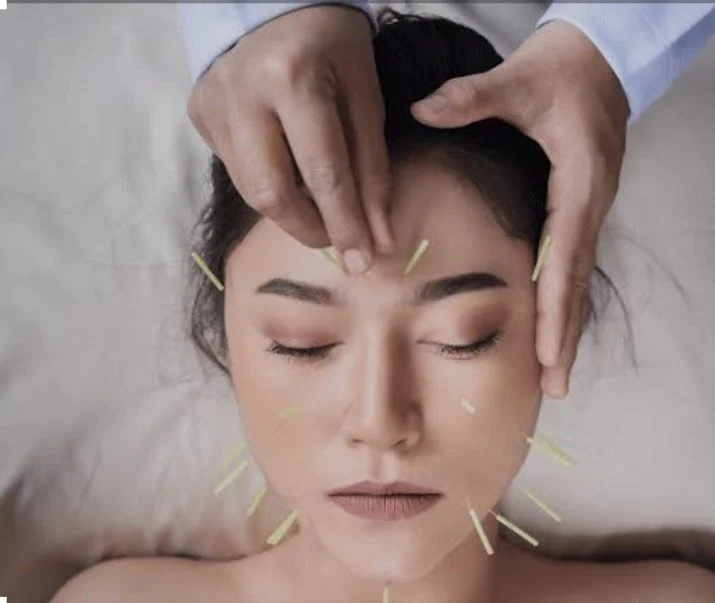
We use thin, sterile needles to target specific areas of muscle tension and trigger points. When applied with care and precision, dry needling can help your muscles release, reduce pain, and restore more natural movement.
Treatment is focused, intentional, and guided by how your body responds.

What is Dry Needling?
Dry needling is a technique used to address tight or dysfunctional muscle tissue by targeting trigger points that contribute to pain or restricted movement.
When these areas are stimulated, your muscle can release, helping reduce discomfort and improve how you move.

Our Method

Clinically Guided
Dry needling is used only when appropriate, based on careful assessment and clinical reasoning—not as a default technique.

Integrated
When beneficial, dry needling is combined with traditional acupuncture points to address both localized muscle patterns and broader systemic balance.

Anatomy-Driven
Treatments are guided by a deep understanding of anatomy, movement, and how the body compensates over time.
This approach allows dry needling to support healing without overwhelming the system or isolating symptoms.

How Dry Needling Can Help
Muscle Tightness & Pain Patterns
Chronic muscle tension and protective spasm
Trigger points contributing to referred pain
Neck, shoulder, and upper back discomfort
Jaw tension and TMJ-related pain
Movement & Range of Motion
Decreased mobility or stiffness
Pain with movement or exercise
Postural strain and compensation patterns
Repetitive use or overuse injuries
Nerve & Tendon-Related Symptoms
Sciatica and nerve irritation
Tendonitis and tendinopathy
Carpal tunnel–type symptoms
Joint irritation influenced by muscle tension
Recovery After Injury or Strain
Lingering discomfort after acute injury
Muscle guarding following trauma or surgery
Delayed healing due to persistent tension
Support during rehabilitation and return to activity
Circulation & Tissue Health
Reduced blood flow to tight or restricted areas
Muscle fatigue and delayed recovery
Local inflammation related to chronic tension
Improved oxygenation of affected tissues
Chronic Patterns Without a Clear Cause
Pain that persists despite rest or treatment
Recurrent flare-ups without obvious injury
Sensations of tightness, pulling, or imbalance
Symptoms influenced by long-standing compensation
Dry needling does not override the body—it supports release where tension has been holding, allowing movement and relief to return naturally.
Your Dry Needling Experience

Your First Visit
Dry needling is introduced thoughtfully, with clear communication and careful pacing to ensure comfort and understanding throughout treatment.
Sessions
Brief sensations such as a twitch, pressure, or warmth may occur, followed by release. Mild soreness is normal and resolves quickly.

Integration
Dry needling is adapted to your comfort and integrated into acupuncture care when it supports progress without overwhelming the body.
Holistically Crafted
A Denver Acupuncture & Wellness Blog
We share a holistic perspective designed for active individuals and families, offering practical, approachable guidance and tools that support mindful, whole-body health.
Holistically Crafted | Acupuncture, Holistic Medicine & Therapy in Denver